
Expert Picks For Ceramic Tile Repair Products To Save Time And Effort
Find out which repair products professionals trust for quick, durable, and professional-looking ceramic tile fixes.
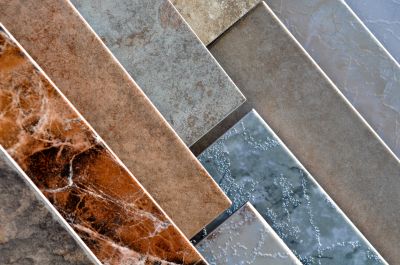 Ceramic tile repairs are an essential aspect of maintaining the aesthetic and functionality of tiled surfaces in homes and commercial spaces. Whether addressing minor chips, cracks, or larger damaged areas, selecting the right products can facilitate effective restoration. Repair kits often include a combination of adhesives, fillers, colorants, and tools designed to blend seamlessly with existing tiles. Proper application ensures that repairs are durable and visually unobtrusive, helping to prolong the lifespan of tiled surfaces.
Top Overall Option
Multi-Purpose Ceramic Tile Repair Kit
A versatile repair kit that includes a selection of adhesives, fillers, and color-matching compounds designed to address a variety of tile damage types. Its comprehensive set of tools and materials makes it suitable for both minor fixes and larger restoration projects, providing a seamless blending process for a professional appearance.
Types of Products For Ceramic Tile Repairs
Epoxy Adhesives
Strong, durable adhesives ideal for bonding broken tiles or filling cracks with a high level of adhesion.
Tile Repair Fillers
Specialized compounds designed to fill chips, cracks, and small holes, often available in various colors for matching existing tiles.
Color-Matching Pigments
Powders or liquids used to tint repair compounds, ensuring repairs blend seamlessly with surrounding tiles.
Grout Repair Kits
Products formulated to restore or replace grout lines that have become stained, cracked, or damaged.
Sealants and Topcoats
Protective layers that seal repaired areas, enhancing durability and water resistance.
Tile Replacement Pieces
Pre-cut or custom-cut tiles used for replacing severely damaged or broken tiles.
Application Tools
Spatulas, putty knives, and mixing tools that facilitate precise application of repair materials.
Surface Cleaners
Products used to thoroughly clean and prepare tiles before applying repair compounds.
Flexible Repair Compounds
Materials designed to accommodate slight movements or expansions in tiled surfaces without cracking.
Resurfacing Products
Thin coatings that can be applied over existing tiles to restore surface uniformity and appearance.
Mastic and Thinset Mortar
Adhesives used for installing new tiles or securing loose tiles in place.
Hydrophobic Sealers
Sealants that repel water and stains, helping to prolong the life of repairs.
Anti-Mold and Mildew Products
Treatments that prevent or eliminate mold growth in grout lines and repair areas.
Repair Kits for Large Areas
Comprehensive kits designed for extensive damage, including multiple repair compounds and tools.
Flexible Repair Tapes
Adhesive tapes used for temporary fixes or to hold tiles in place during curing.
Popular Choices
Widely used for their strong bonding properties and durability, suitable for various tile repairs.
Popular for their ability to blend seamlessly with existing tiles, making repairs less noticeable.
Convenient options that simplify grout restoration, often available in multiple colors.
Favored for their ability to accommodate slight surface movements without cracking.
Chosen for their ease of application and ability to refresh the look of worn tiles.
Popular for providing a protective barrier over repaired areas with minimal effort.
Currently trending for larger repairs, offering matching tiles for seamless replacements.
Commonly used for installing new tiles or reattaching loose tiles securely.
Increasing in popularity for their added protection in humid environments.
Essential tools frequently used for precise application of repair compounds.
Important for ensuring proper adhesion and clean repair surfaces.
Trending for their water-repellent qualities that help protect repaired areas.
Popular in damp areas to prevent mold growth in grout and repair zones.
Getting attention for their comprehensive approach to extensive damage.
Useful for quick fixes and holding tiles during curing or setting.
When considering repair options, it is important to evaluate the type of damage, the size of the area needing repair, and the specific characteristics of the tiles involved. Some products are formulated for quick fixes, while others are suitable for more extensive restoration projects. Using the appropriate repair materials can prevent further damage and reduce the need for costly replacements.
In addition to repair compounds, there are specialized tools and accessories that assist in achieving a professional-looking finish. These include spatulas, mixing tools, color-matching pigments, and sealants. Proper surface preparation and application techniques are crucial for ensuring that repairs withstand regular wear and tear. Regular maintenance and timely repairs can help preserve the appearance and integrity of ceramic tile surfaces over time.
Overall, choosing the right products for ceramic tile repairs involves understanding the scope of the damage, the compatibility of repair materials with existing tiles, and the desired longevity of the fix. Investing in quality repair products and following recommended procedures can lead to more satisfying results, whether for small touch-ups or larger renovation efforts.
Key Buying Considerations
- Type of damage: assess whether cracks, chips, or broken tiles are involved.
- Tile material compatibility: ensure repair products are suitable for ceramic surfaces.
- Color matching: select products that can be tinted or matched to existing tiles for seamless blending.
- Durability: consider the expected wear and environmental exposure of the repaired area.
- Ease of application: choose products that match your skill level and available tools.
- Curing time: be aware of drying and setting times to plan repairs accordingly.
- Water resistance: especially important for bathroom or kitchen tiles exposed to moisture.
- Flexibility: opt for repair compounds that can accommodate slight surface movements if needed.
- Aesthetic finish: consider whether the repair will be visible and choose accordingly.
- Compatibility with existing grout: ensure repair products work well with current grout lines.
- Long-term maintenance: select products that offer protection against stains, mold, or mildew.
- Application tools: check if the repair kit includes necessary tools or if additional purchase is required.
- Cost and value: balance quality with budget considerations for the best results.
- Environmental conditions: consider temperature and humidity during application for optimal curing.
- Manufacturer instructions: follow guidelines carefully to achieve the best outcome.
This page contains affiliate links. We may earn a commission from qualifying purchases, which helps support our content and research efforts.